
Find Lasting Relief with Targeted Therapy Solutions
Targeted therapy solutions offer non-invasive treatment options for chronic pain and limited mobility. Shockwave therapy uses targeted acoustic waves designed to stimulate blood flow and support the body's natural healing response, and is often considered by people looking for alternatives to surgery or long-term medication. A consultation is required before treatment, and individual results may vary.
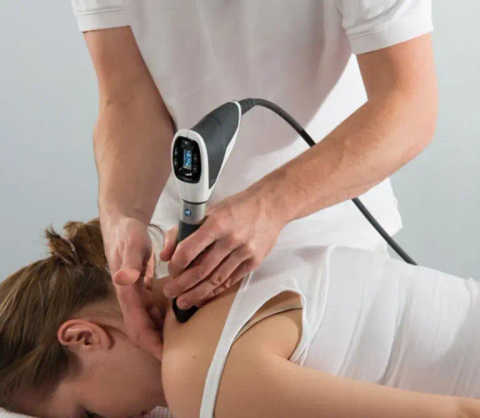
Targeted Therapy Solutions We Offer
$$MultiPurposeText$$
Specialized shockwave therapy for chronic pain, improved mobility, and faster recovery.
Shockwave Therapy
Shockwave Therapy
$200.00+Chronic pain and limited mobility can interfere with everyday activities. Nanoom offers Shockwave Therapy, a non-invasive treatment designed to support healing, improve circulation, and reduce chronic pain in muscles, tendons, and joints.
Shockwave Therapy is commonly used for individuals seeking alternatives to surgery or long-term medication use.
Shockwave Therapy uses targeted acoustic waves to stimulate blood flow and promote the body’s natural healing response. It is a non-invasive treatment performed in-office, with no anesthesia and minimal downtime.
Individual results may vary. A consultation is required prior to treatment.
Why Choose Our Targeted Therapies
$$MultiPurposeText$$
Proven non-invasive options tailored to reduce pain and restore function.
Non-Invasive Treatment Options
Shockwave therapy uses focused acoustic waves to stimulate circulation and support natural tissue repair without surgical intervention.
Alternative to Surgery
Ideal for patients seeking alternatives to surgery or long-term medication, offering measurable improvement in pain and mobility.
Quick, Office-Based Sessions
Treatments are typically short, performed in-office, and require minimal downtime so you can return to daily activities quickly.
Personalized Care Plans
Every treatment plan begins with a consultation to assess suitability and customize shockwave parameters for best possible outcomes.
Frequently Asked Questions About Targeted Therapy
Answers to common questions about shockwave therapy and treatment expectations.
Shockwave therapy delivers focused acoustic pulses to injured tissues to stimulate blood flow, reduce pain, and encourage healing. It's a non-invasive option for chronic conditions like tendonitis. A medical consultation determines suitability; treatment plans and outcomes vary by individual.
Good candidates are adults with chronic musculoskeletal pain or limited mobility seeking non-surgical options. Those with blood-clotting disorders, active infection, or certain implants may be unsuitable. A clinical evaluation and medical history determine whether shockwave therapy is appropriate for you.
Most patients undergo three to six sessions spaced one to two weeks apart, though protocols vary by condition and severity. Some notice improvement after the first session; full benefits often require the complete series. Your provider will create a personalized schedule.
Sessions can cause brief discomfort or a tapping sensation as acoustic waves are applied, but most patients tolerate it well. Providers adjust intensity for comfort, and post-treatment soreness is usually mild and temporary. Discuss pain concerns during consultation.
Many patients experience reduced pain and improved mobility within weeks to months. Results depend on injury type, chronicity, and overall health. While some achieve long-term relief, outcomes vary; shockwave therapy is often part of a broader treatment plan including rehab and lifestyle changes.
Side effects are generally mild and temporary, including soreness, redness, or bruising at the treatment site. Serious complications are rare. Contraindications include certain vascular issues, pregnancy, or active infection. A thorough consultation screens for risks before treatment.